
Perfume Manufacturing Process | Scent Creation, Safety Testing, and Production
Making perfume takes more than blending fragrance with alcohol. The manufacturer needs an approved formula, suitable raw materials, controlled production, the right bottle and closure, and checks that show the finished product meets its requirements. The exact steps vary by formula, product format, production volume, packaging, and sales market.
For XUELEI projects, the fragrance brief, formula, market requirements, and packaging need to match. A sample may smell right but still be unsuitable for production if it turns cloudy, changes during storage, or reacts with the bottle or pump. The finished product also needs the documents required for its market. These details are part of XUELEI's fragrance development and manufacturing process.
Perfume Manufacturing Process at a Glance
- Set the brief: Decide what the perfume should smell like, who it is for, how it will be used, and what it can cost.
- Create the fragrance: Develop the concentrate and check whether it matches the brief.
- Check the raw materials: Confirm their identity, quality specifications, supplier records, and intended use.
- Finalize the formula: Set the proportions of fragrance concentrate, carrier, and any other permitted ingredients.
- Blend the batch: Weigh and combine ingredients using the approved manufacturing instructions.
- Hold the blend if needed: Some formulas need a controlled rest before the next step.
- Clarify the product: Use suitable filtration or other approved processing if haze or particles must be removed.
- Check safety and quality: Review compliance, stability, packaging fit, and required test results.
- Fill and pack: Fill bottles, fit closures, apply labels and batch codes, and inspect finished units.
- Release the batch: Review test results and production records before authorizing distribution.
Check market rules and label requirements while the formula is being developed. Test the actual formula with the bottle, pump, gasket, and closure before finalizing the packaging.
Set the Product Brief Before Developing the Scent
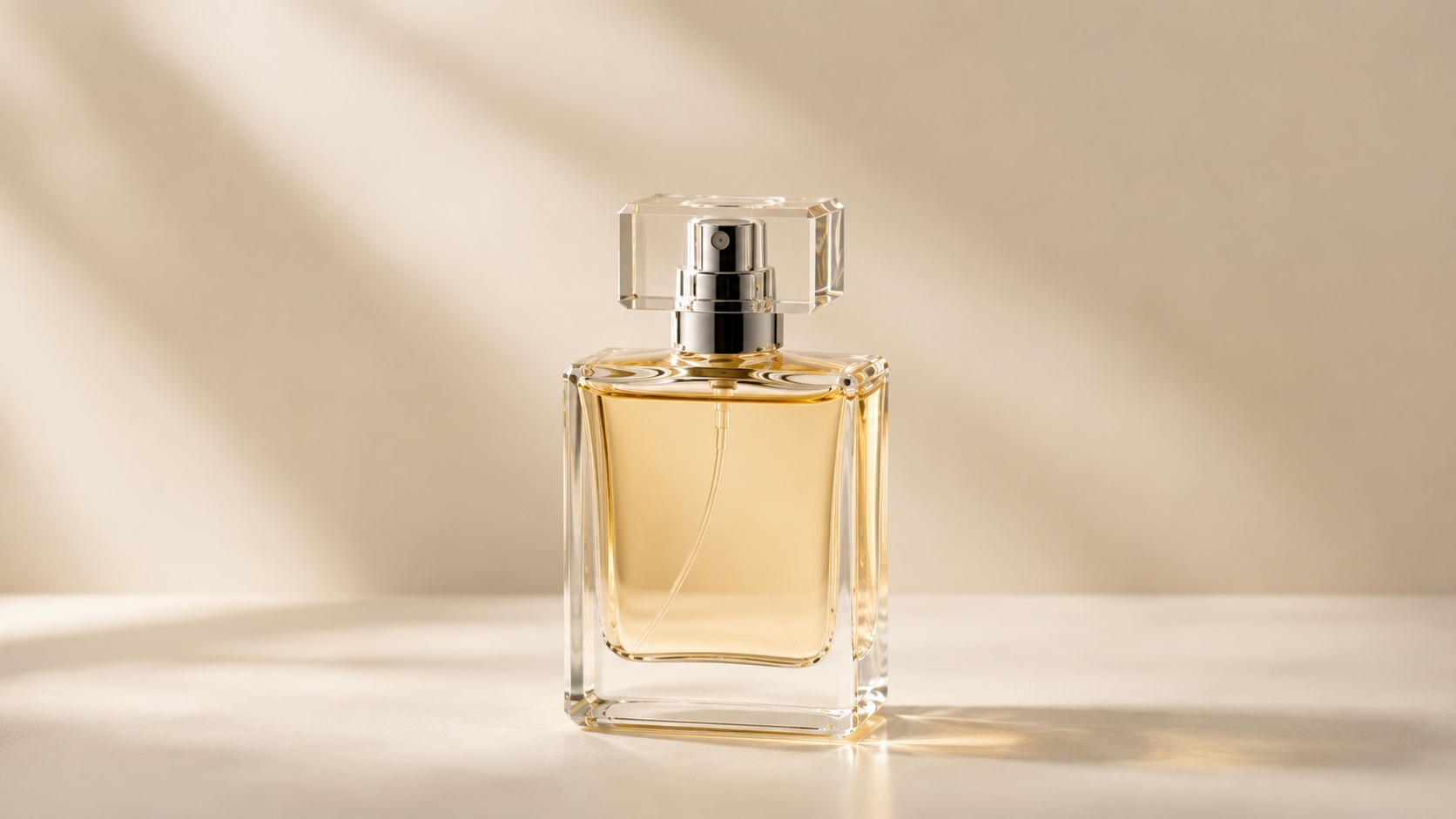
Before sampling starts, define the scent, intended user, product format, sales market, performance goals, target cost, order quantity, and packaging. XUELEI's fragrance development and product briefing covers these decisions.
- Scent direction: Choose the main fragrance family and the notes or accords that give the perfume its character.
- Product format: Confirm whether the product is an alcohol-based spray, perfume oil, solid perfume, or another format; each can require a different carrier and process.
- Performance: Describe the desired opening, how the scent develops, how far it projects, and how long it should last. These are targets, not guarantees.
- Commercial limits: Set the target unit cost, planned order volume, packaging budget, and any constraints on ingredient sourcing.
- Destination markets: Identify where the perfume will be sold so that ingredient restrictions, safety documentation, and labeling can be reviewed early.
- Packaging requirements: Specify bottle capacity, material, pump or closure, decoration, carton, and other components that may affect compatibility or cost.
Changes after formula approval can mean extra work. A lower target cost may require a new formula, a different bottle or pump may need compatibility tests, and a new market may need another regulatory review. Record the brief and approve changes before production.
Fragrance Creation and Formula Approval
A perfumer blends aromatic materials into a fragrance concentrate. These may include essential oils, natural extracts, isolated aroma compounds, and synthetic ingredients. The choice depends on the scent, supply, consistency, cost, performance, and safety limits.
How top, middle, and base notes work
Top, middle, and base notes describe how a scent unfolds over time. They are not separate steps in manufacturing.
- Top notes are often noticed first. Citrus and some light aromatic materials are common examples.
- Middle notes help establish the central character, which may be floral, herbal, spicy, or built around another accord.
- Base notes often contribute depth and persistence. Woody, musky, resinous, and amber-like materials may play this role.
A bright opening can smell sharp if the rest of the formula does not support it; a heavy base can drown out delicate notes. Perfumers test samples on smelling strips and, where appropriate, through controlled skin evaluation. They check the first impression and how the scent changes over time.
Natural and synthetic materials
Natural aromatic materials can come from flowers, leaves, peels, woods, and resins. Depending on the source, they may be obtained by steam distillation, expression, or solvent extraction. Their smell and composition can vary with growing conditions, harvest, and processing.
Synthetic ingredients are made through chemical processes. Some reproduce molecules found in nature; others create different scent effects or offer a steadier supply than variable natural sources. Neither type is automatically safer. Safety depends on the substance, concentration, exposure, intended use, and applicable restrictions.
Record every formula revision. A changed ingredient or proportion can affect scent, stability, or compliance. Link the approved concentrate to its reference sample, product format, and target-market review.
Raw Material Selection and Incoming Checks
Before using a material, check it against the approved specification. Depending on the ingredient, this may include identity, appearance, odor, purity, physical or chemical properties, and supplier documents.
Keep the relevant records, such as a certificate of analysis, ingredient specification, safety data sheet where applicable, lot number, and fragrance-compliance documents. A certificate of analysis covers the tests for that ingredient; it does not prove the finished perfume is safe or compliant.
Natural extracts can vary from lot to lot, even when the ingredient name stays the same. Set acceptance criteria before delivery, keep unapproved materials out of production, and record supplier or specification changes. Do not swap an ingredient just to avoid a delay.
Alcohol-based perfumes usually contain fragrance concentrate and a suitable alcohol carrier. Some formulas also use water or other permitted ingredients. Perfume oils and solid perfumes may need different carriers, so match the ingredients to the product format.
Formula Development and Fragrance Concentration
The finished formula sets the amount of fragrance concentrate and carrier. More concentrate does not automatically mean better quality or longer wear. Performance also depends on the ingredients, how quickly they evaporate, scent balance, application amount, and conditions of use.
Eau de cologne, eau de toilette, eau de parfum, and parfum are linked to different concentration levels, but the ranges are not universal. Specify the actual formula instead of relying on the product name. Concentration must also fit ingredient limits, cost, and intended use; see custom fragrance development and production-cost planning.
Test the concentrate in its intended carrier before scaling up. Record ingredient weights, tolerances, mixing instructions, and process conditions. Check for odor changes, haze, deposits, or incompatibility. Large batches may behave differently because the vessel, mixing, transfer, and temperature control change.
Blending and Bulk Production
Blending combines the approved concentrate with the carrier and other specified ingredients. Follow the approved formula, including the order of addition, mixing conditions, equipment, and permitted tolerances.
Blending Steps
- Prepare the equipment: Check that the vessel, tools, transfer lines, and product-contact surfaces are clean and suitable for the formula.
- Check each ingredient: Match it to the batch record, confirm its lot and release status, and verify the quantity.
- Weigh components: Use calibrated equipment with accuracy appropriate to the amount being measured.
- Follow the blending procedure: Use the specified addition sequence and mixing conditions. Do not change the process without review.
- Record the batch: Document actual quantities, process conditions, operator checks, deviations, and batch identification.
Mixing speed, time, and order of addition depend on the formula and equipment. After blending, test the bulk perfume against its specification. Depending on the formula, checks may include appearance, odor, density, refractive index, or alcohol content.
Alcohol-based perfumes also create a fire hazard because ethanol is highly flammable. Facilities must control ignition sources, ventilation, storage, transfer, and equipment suitability according to the quantities handled and applicable workplace requirements.[1]
Maturation and Batch Holding
Some formulas are held after blending and before filtration or filling. This period may be called maturation, aging, or maceration. During the hold, the manufacturer can check for haze, sediment, or unwanted changes in odor.
Not every perfume needs maturation, and waiting longer does not guarantee a better scent. Set the duration and storage conditions based on development results and acceptance criteria. Keep the batch in a closed, identified vessel and record its number, hold dates, conditions, and observations. Recheck the procedure if the formula or raw materials change.
Chilling, Filtration, and Clarification
Some formulas are chilled before filtration to separate materials that do not stay dissolved at lower temperatures. Filtration can remove particles or deposits that affect clarity or block a spray. Use these steps only when the formula requires them.
Set filtration conditions that achieve the required clarity without changing the approved scent. Check the perfume after processing and, where relevant, again at normal storage conditions. If cloudiness returns, investigate ingredient compatibility, water content, temperature, and raw-material variation before filtering again.
Filtration removes particles. It does not fix chemical instability, replace clean production practices, or make a noncompliant formula safe.
Safety Assessment, Testing, and Regulatory Compliance
Quality control checks whether a material or batch meets its specification. A safety assessment asks whether the formula is suitable for its intended use and exposure. A perfume can look and smell right but still fail a safety, labeling, or legal requirement.
Fragrance ingredient restrictions
The International Fragrance Association (IFRA) publishes Standards that prohibit, restrict, or set specifications for certain fragrance materials. Check the current Standards for the product category and intended use instead of relying on a general claim that a fragrance is “IFRA compliant.”[2] An IFRA Certificate of Conformity can document that a fragrance mixture meets relevant Standards for a specified intended use, but it does not replace the finished product's safety assessment or other legal obligations.[3]
Market-specific requirements
United States
In the United States, perfume intended to scent the body is generally regulated as a cosmetic unless its ingredients or claims place it in another category. The FDA does not generally pre-approve cosmetics or their ingredients. The responsible company must still ensure product safety, follow applicable ingredient restrictions, and keep adequate records to support safety.[4] The FDA also explains how fragrances are treated in cosmetics.
European Union
In the European Union, Regulation (EC) No 1223/2009 requires cosmetics to be safe under normal or reasonably foreseeable conditions of use. It also sets requirements for good manufacturing practice, safety assessment, and product information. The responsible person must ensure that the required safety report and supporting records are ready before the product goes on sale.[5] Review requirements for each destination market before launch; compliance in one market does not establish compliance in another.
Tests and records to define before production
- Formula and documents: Make sure the approved formula, ingredient records, intended use, and safety documents refer to the same product version.
- Physical and chemical checks: Set criteria for appearance, odor, and formula-specific properties such as density or alcohol content.
- Stability testing: Set storage conditions, check points, acceptance criteria, and changes that require investigation.
- Packaging compatibility: Test the formula with the chosen bottle, pump, gasket, closure, and other contact materials. Check for leaks, discoloration, corrosion, odor transfer, or material damage.
- Microbiological risk: Decide whether testing or extra controls are needed for the formula and production conditions. Do not assume every perfume has the same risk.
- Label review: Check ingredient declarations, warnings, net contents, responsible-party details, and other required information for the destination market.
Stability results inform formula and packaging decisions but do not establish a universal shelf life. Accelerated tests can reveal weaknesses but may not predict every long-term change. The FDA does not prescribe one universal test protocol for all cosmetics; the responsible company must use appropriate evidence to substantiate safety.[6]
Filling, Bottling, and Packaging
Once the bulk perfume passes its checks, fill it into the approved containers using manual, semi-automatic, or automated equipment. The line must control fill quantity, cleanliness, component fit, and product identification.
Filling and Packaging Steps
- Inspect components: Check bottles, pumps, caps, collars, labels, cartons, and inserts against the approved specifications and lot records.
- Prepare the line: Confirm that cleaning is complete and the equipment is set up for the formula and container.
- Fill and check: Use the approved settings and carry out the required fill checks.
- Fit the closure: Check that the pump, crimped collar, screw cap, or other closure is installed correctly.
- Apply labels and codes: Confirm the artwork version, required declarations, batch code, and legibility against U.S. cosmetic labeling requirements where applicable.[7]
- Inspect finished units: Check for leakage, damaged parts, visible defects, incorrect labels, and other defined nonconformities.
Test packaging with the actual formula. Check for pump leaks, gasket damage, evaporation, and changes in odor or appearance. Bottle, pump, cap, and retail-pack choices should all be part of the product specification.
To prevent mix-ups, remove the previous run's materials and labels, check the next product's components, and record line clearance before starting again.
Final Quality Control and Batch Release
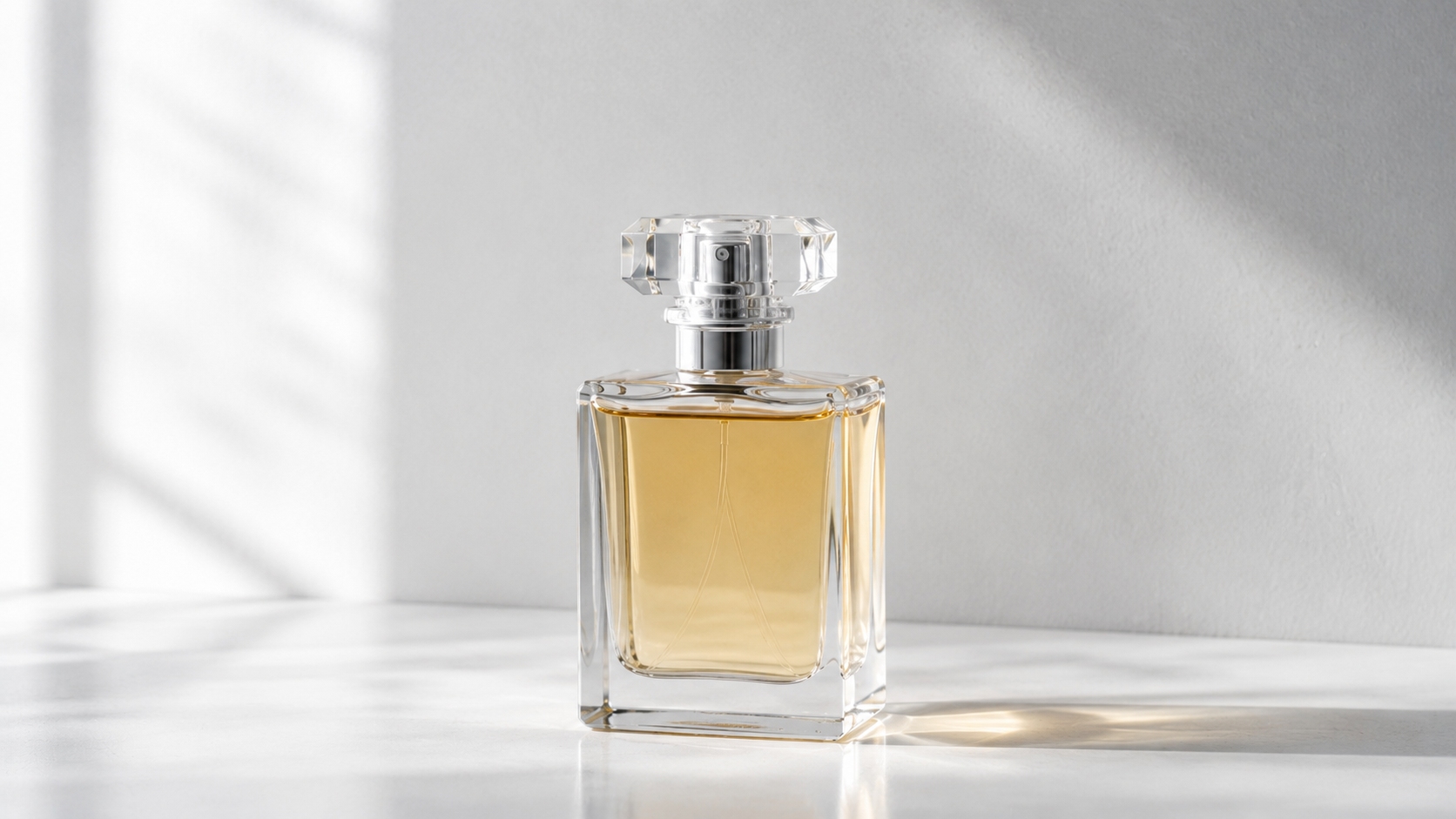
Set release criteria before production. Then compare the finished batch and its records with the approved specification.
Batch Release Checks
Depending on the product, release checks may include:
- Appearance and odor compared with the approved reference sample.
- Results for the specified physical or chemical properties.
- Fill quantity, closure fit, and spray performance.
- Packaging condition, label version, and batch-code accuracy.
- Completion of manufacturing records and investigation of deviations.
- Availability of required safety, compliance, and market documentation.
If a test fails, record the deviation, investigate the cause, assess the batch, and decide whether to reprocess or reject it. Reprocessing must follow an approved procedure and must not hide an unresolved safety or compliance problem.
Traceability should link raw-material lots, formula version, production conditions, packaging lots, quality decisions, and distribution records. These links help investigate complaints and identify affected stock.
Common Production Problems and How to Investigate Them
| Observed problem | Possible causes to check | First investigation steps |
|---|---|---|
| Cloudiness or sediment | Ingredient incompatibility, temperature changes, water content, or raw-material variation. | Compare retained samples and review storage and formula records before choosing a corrective step. |
| Batch-to-batch scent difference | Raw-material variation, weighing error, formula-version mismatch, or process inconsistency. | Check ingredient lots, weighing records, formula version, process conditions, and the reference sample. |
| Odor changes during storage | Oxidation, heat or light exposure, packaging interaction, or unstable ingredients. | Review stability results, storage history, and packaging compatibility before reformulating. |
| Leaking bottle or weak spray | Closure mismatch, poor crimping, defective pump, damaged gasket, or incorrect assembly. | Inspect component lots and test the bottle, pump, and closure together. |
| Incorrect fill quantity | Filling settings, equipment variation, foaming, or insufficient in-process checks. | Check equipment setup, calibration, fill settings, sample results, and which units may be affected. |
| Wrong label or carton | Outdated artwork, incorrect component picking, or incomplete line clearance. | Separate affected units, check component records, and verify the approved artwork before restarting. |
Scaling from a Sample to Commercial Production
A successful sample does not prove that the perfume is ready for bulk production. Approve the formula, process, packaging specification, test plan, and release criteria first.
Large batches can mix differently, lose more material during transfer, or behave differently on the filling line. A pilot or production-sized trial can expose these problems before the full order starts.
For the first order, record the approved sample, formula version, acceptable variation, packaging parts, testing responsibilities, batch records, and process for handling deviations. For a custom scent, agree on formula ownership and confidentiality.
Questions to Ask a Perfume Manufacturer
Ask how the manufacturer controls production and who is responsible for each check. Claims such as “premium quality” or “strict testing” are not enough. For private-label or OEM/ODM projects, XUELEI's private-label perfume manufacturing process covers formula, packaging, testing, and production planning.
- Formula development: Can the manufacturer create a scent, refine a brief, or only work from a supplied formula?
- Sample approval: How are revisions recorded, and how is the final sample identified?
- Ingredient records: Which specifications, certificates of analysis, safety documents, and fragrance-compliance records can the manufacturer provide?
- Safety and regulations: Who handles the safety assessment and label review, and what information must the brand provide?
- Testing: Which stability, compatibility, and batch-release tests are included, and which cost extra?
- Scale-up: Can the manufacturer run a pilot batch and explain how it will keep the formula consistent at the planned volume?
- Traceability: Can the manufacturer trace raw-material lots, formula versions, packaging lots, and finished batches?
- Packaging: Who approves the components and handles defects found during inspection or production?
- Changes: Will the brand be told before a material, supplier, formula, or packaging component is changed?
How Long Does Perfume Manufacturing Take?
Timing depends on formula development, raw-material supply, any required holding period and tests, packaging procurement, production scheduling, and market documents. A stock fragrance with standard packaging may need less development than a custom formula. Ask for separate timelines for sampling, testing, sourcing, production, and batch release.